
What Still Works
What Still Cuts the Electric Bill
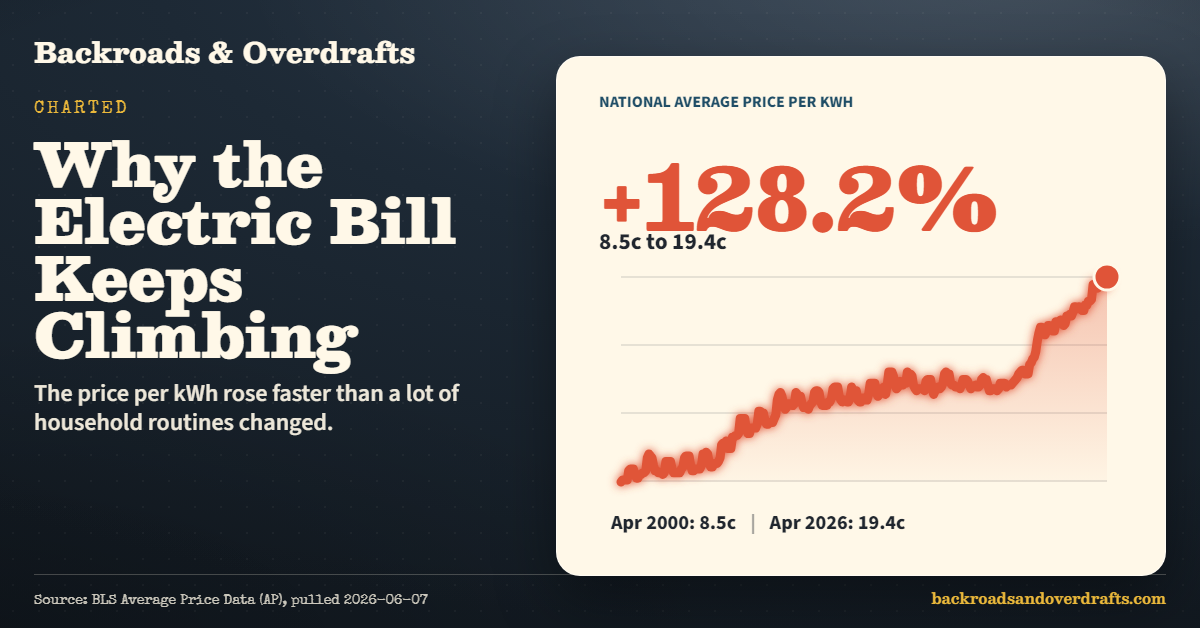
Electricity prices rose 43.7% from April 2019 to April 2026, but a few household habits still help.
Most families do not think in kilowatt-hours. They think in the bill that shows up after a hot month, a cold snap, or a house full of laundry.
Still, the unit price matters. Before you even get to how much power a home uses, the average price of a kilowatt-hour has moved.
In April 2019, electricity averaged 13.5 cents per kWh. In April 2026, it averaged 19.4 cents per kWh.
That is a 43.7% increase.
The Receipt
| Measure | Price |
|---|---|
| April 2019 | 13.5 cents per kWh |
| April 2026 | 19.4 cents per kWh |
| Change | +5.9 cents per kWh |
| Percent change | +43.7% |
That does not mean every household bill rose exactly 43.7%. Your bill depends on the rate plan, state, home size, season, heating and cooling, appliances, and how many people are living under the roof.
Where You Live Changes Everything
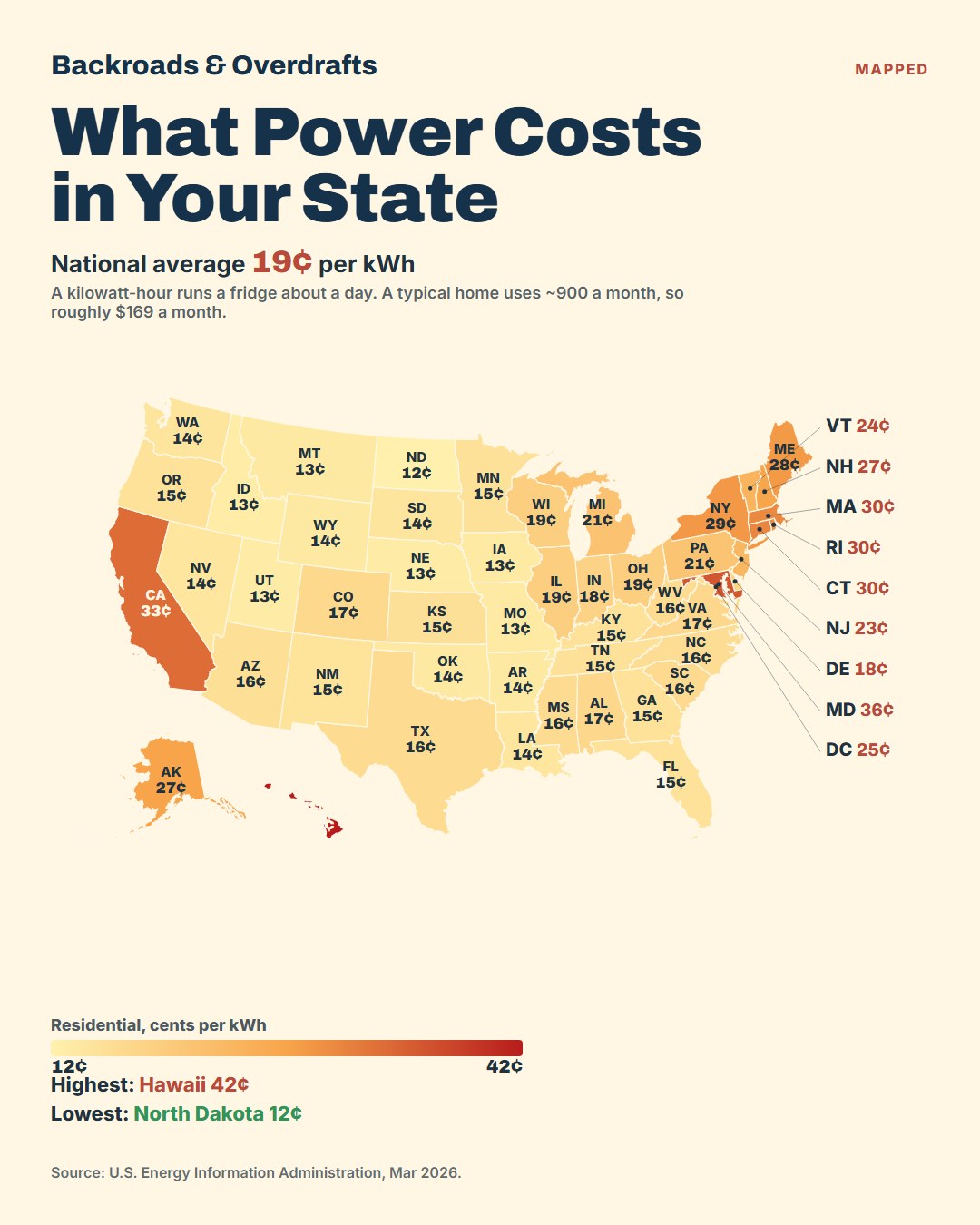
The national average hides a huge spread. In the latest EIA data, residential power runs about 12 cents per kWh in North Dakota and 42 cents in Hawaii, with the national average near 19 cents. Same kilowatt-hour, very different bill, mostly depending on your state.
But it does explain why the old household habits are getting a second look: thermostat rules, line drying when it makes sense, ceiling fans, turning off rooms nobody is using, and fixing drafty spots before winter.
What still works to push the bill back down
No single habit fixes a power bill. But the old rule still holds: don’t pay to heat, cool, or light what nobody is using. Here are the ones that actually move the needle, and most of them are free.
- Flip the ceiling fan with the season. Counterclockwise in summer pushes a breeze down so you can nudge the thermostat up a couple degrees and not feel it. Clockwise and slow in winter pulls the warm air back down off the ceiling. There is usually a little switch right on the motor.
- Set the thermostat back when you sleep or leave. A few degrees for the eight hours you are asleep adds up over a month, and a programmable thermostat does it for you so nobody has to remember.
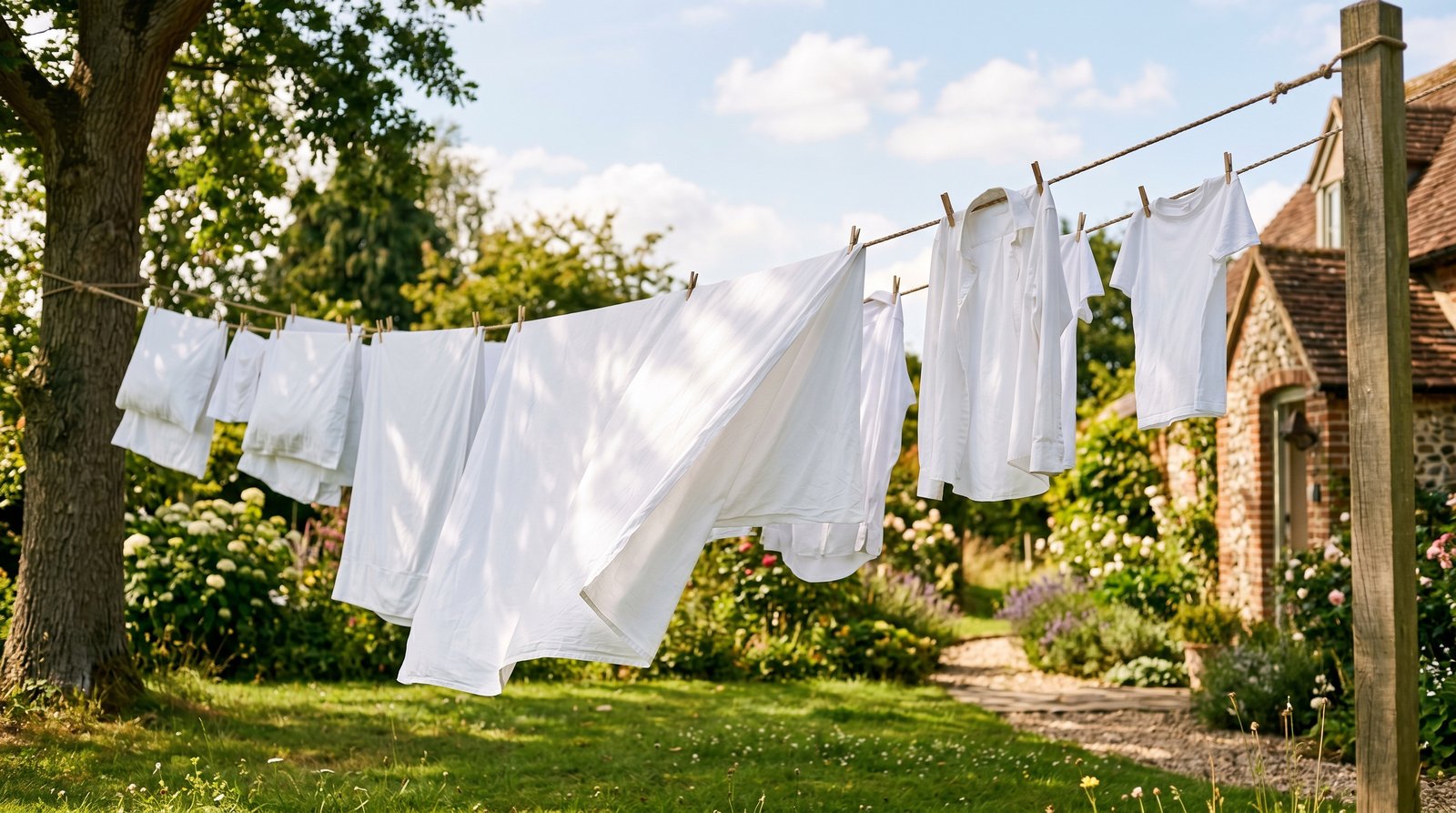
- Hang the laundry, or at least finish it on a rack. The clothes dryer is one of the hungriest things in the house. Drying even half your loads on a line takes a real bite out of the bill.
- Wash in cold water. Most of what a washer spends goes to heating the water, not spinning the drum. Cold handles everyday loads fine and skips that cost completely.
- Kill the vampires with a power strip. TVs, game consoles, and chargers sip power around the clock even switched off. Put the worst offenders on one switched strip and flip it off at night.
- Finish the bulb swap. LEDs use about 80% less energy than the old incandescent bulbs and last for years. Any old ones left in a lamp you keep on are quietly the most expensive light in the house.
- Seal the drafts before the cold hits. A few dollars of weatherstripping and a door sweep keeps the heat you already paid for from leaking out around doors and windows.
How much each one saves depends on your rates, your climate, and how the house is built, so none of them is a magic bill-cutter alone. The point is the one it always was. Pay attention again, and stop paying for what nobody is using.
What electric-bill habit did your family actually stick with?
Read your bill in two pieces
The monthly total is the number that hurts, but it is not the number that explains anything. Split it in two.
| Bill line | What it tells you | What you can do |
|---|---|---|
| kWh used | Your household behavior and weather load. | Cut dryer heat, cooling waste, standby loads, and drafts. |
| Price per kWh | Your local utility rate and fees. | Compare plans where allowed; otherwise focus on use. |
For practical next moves, the best public source trail is DOE Energy Saver. For price context, this page uses BLS electricity average price data.
Keep going
If this old habit still earns its keep, Line Drying: The Free Habit That Quietly Cuts the Electric Bill is another small household move worth remembering.
For the price pressure behind it, Phantom Power: The Stuff Quietly Running Up Your Bill shows the receipt side of the story.
And when the answer is leaving the house without spending much, How Your Coffee Quietly Doubled keeps the same spirit going.
Source: U.S. Bureau of Labor Statistics Average Price Data series APU000072610, Electricity, national U.S. city average price per kWh. Snapshot compares April 2019 to April 2026. Pulled 2026-06-03.
Keep reading
More from What Still Works
 What Still Works
The Ceiling Fan Switch Most People Never Flip
That little switch on the fan motor changes the direction of the blades, and using it right helps in both summer and winter. Here is how, and why it works.
 What Still Works
Stop the Drafts Before the Heating Bill Does the Talking
Sealing the gaps where cold air sneaks in is the cheapest, oldest way to take pressure off the heating bill. Here is the simple winter check.
 What Still Works
Line Drying: The Free Habit That Quietly Cuts the Electric Bill
The clothes dryer is one of the hungriest machines in the house. Hanging laundry to dry is the old habit that still trims the bill and the wear on your clothes.