
What Still Works
Phantom Power: The Stuff Quietly Running Up Your Bill
Plenty of devices draw power even when they are off. It is small per item, but it runs every hour of every day. Here is how to cut the easy ones.
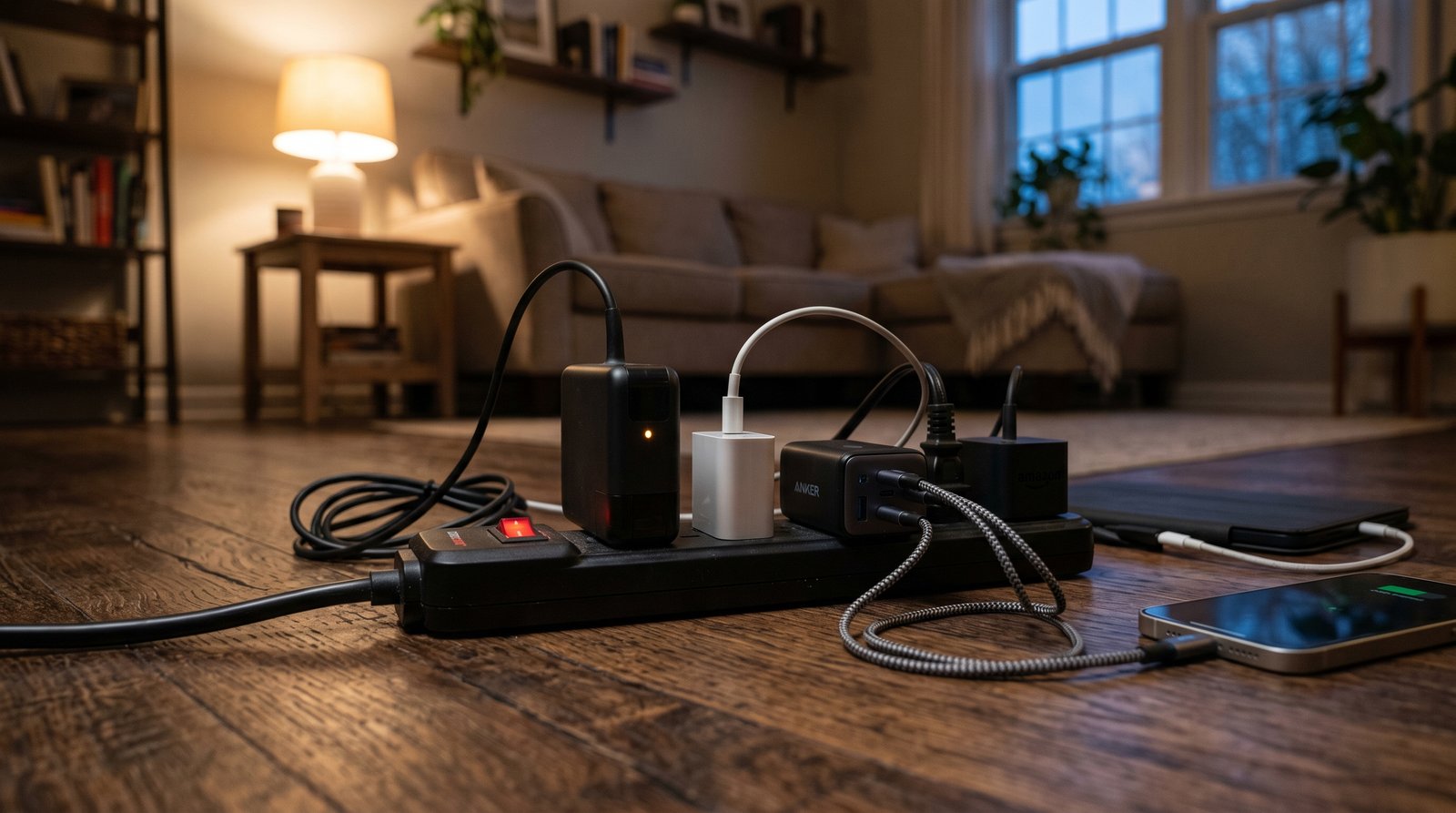
A lot of the things plugged into your walls never fully turn off. The TV waiting for the remote, the cable box, the microwave clock, the phone charger with nothing attached, the game console in standby. Each one sips a little power around the clock. It is called phantom load, and while no single device is the problem, all of them running every hour adds up.
Why it adds up
Any one of these draws a small amount, so it is easy to wave off. But it is the math that gets you: a small draw times a lot of devices times 24 hours times 365 days is a real, if modest, slice of the bill. You are paying, a little, for things you are not even using. With power prices climbing, the easy waste is worth clearing out.
The honest part: this is a trim, not a transformation. It will not slash your bill in half. It is one of several small habits that together take pressure off the total.
The practical fixes
- Put the worst offenders on a power strip and switch it off when you are done. The entertainment center, the office desk, and the coffee-and-toaster counter are the big clusters, and one flip cuts them all. If you know you will never remember to flip it, plug the whole strip into a cheap outlet timer set to cut power overnight. Then it shuts off on its own and you never have to think about it.
- Unplug what you rarely use. The guest-room TV, the second microwave, the spare charger. If it is plugged in and idle for weeks, pull it.
- Unplug chargers when they are not charging. A charger left in the wall draws a trickle even with no phone on it.
- Use a smart plug for the sneaky single items. A device off on its own, like a printer or a spare TV, can sit on a smart plug you flip from your phone or set to a schedule, no power strip required.
- Be smart about the real exceptions. The fridge, anything with a clock you rely on, and your internet router are not worth unplugging. Aim at the idle entertainment and charging clutter instead.
- Look for the glow. Those tiny standby lights are a quick map of what is drawing power right now.
How much this saves depends on how many devices you have and your electricity rate, so nobody can promise a number. But flipping one power strip off at night costs nothing and takes one second, and the easy waste is the right place to start.
What is plugged in at your house right now that nobody has used in months?
The five-minute outlet walk
You do not need to unplug your whole life. Walk the house and look for things that stay warm, lit, charged, or waiting when nobody is using them.
| Spot | Likely culprit | Easy fix |
|---|---|---|
| TV stand | Game console, streaming box, soundbar | Smart strip or switch off the console fully. |
| Office | Monitor, printer, speakers, chargers | One power strip you turn off at night. |
| Kitchen counter | Chargers and small appliances | Unplug the stuff you use once a week. |
For the source trail, use Energy Saver’s guide to estimating appliance and home electronic energy use.
Keep going
If this old habit still earns its keep, Line Drying: The Free Habit That Quietly Cuts the Electric Bill is another small household move worth remembering.
For the price pressure behind it, Stop the Drafts Before the Heating Bill Does the Talking shows the receipt side of the story.
And when the answer is leaving the house without spending much, How Your Coffee Quietly Doubled keeps the same spirit going.
Sources for planning links: U.S. Department of Energy Energy Saver appliance/home electronics guidance. Actual standby-load savings depend on devices, chargers, power strips, and household habits.
Keep reading
More from What Still Works
 What Still Works
The Ceiling Fan Switch Most People Never Flip
That little switch on the fan motor changes the direction of the blades, and using it right helps in both summer and winter. Here is how, and why it works.
 What Still Works
Stop the Drafts Before the Heating Bill Does the Talking
Sealing the gaps where cold air sneaks in is the cheapest, oldest way to take pressure off the heating bill. Here is the simple winter check.
 What Still Works
Line Drying: The Free Habit That Quietly Cuts the Electric Bill
The clothes dryer is one of the hungriest machines in the house. Hanging laundry to dry is the old habit that still trims the bill and the wear on your clothes.