
What Still Works
Washing in Cold Water Is the Easiest Bill-Cut There Is
Most of the energy a washer uses goes to heating the water, not running the machine. Switching to cold is a free habit that helps the bill and your clothes.
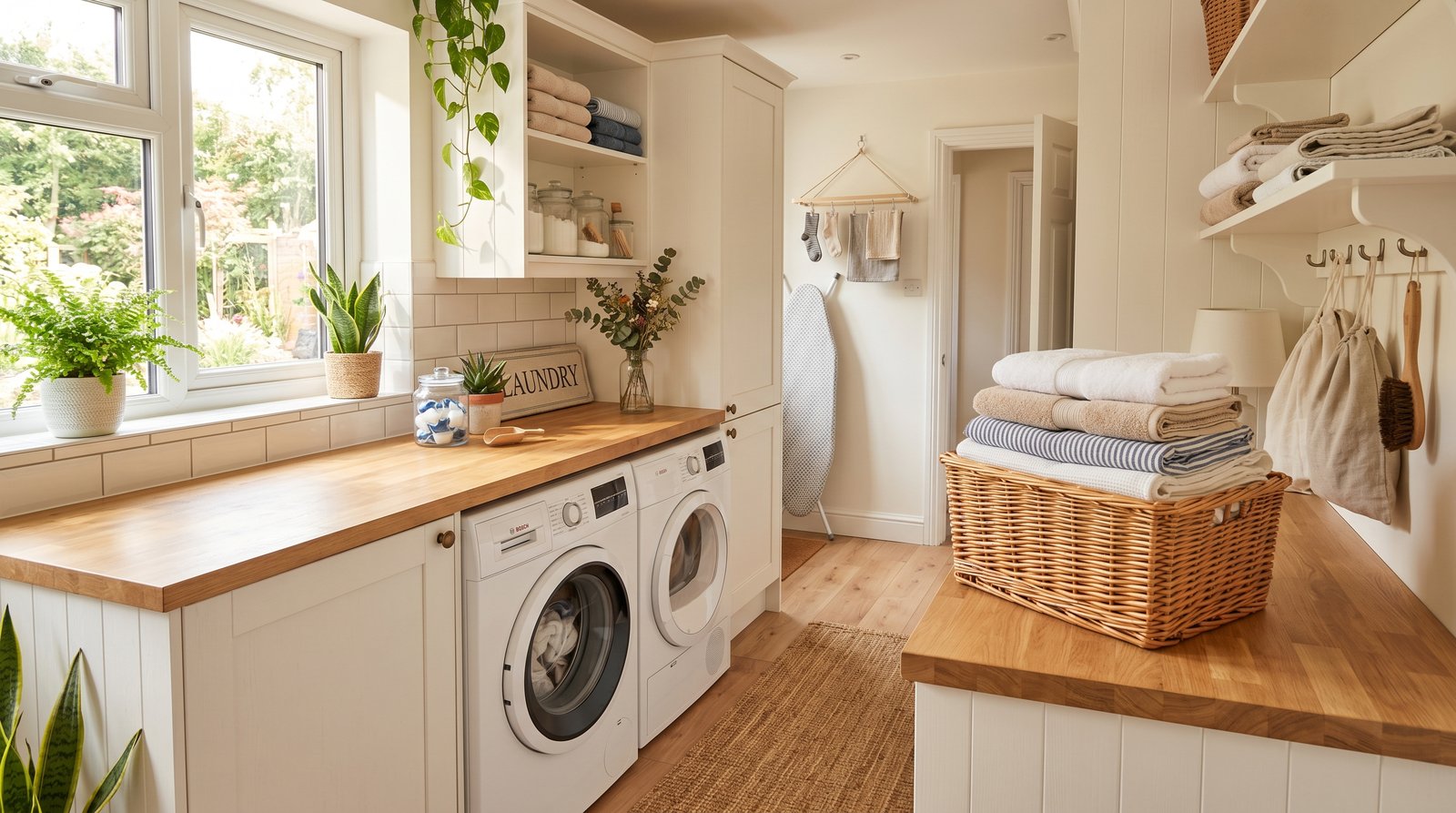
Here is a money-saving habit that costs nothing, takes zero extra effort, and most people never think about: wash your clothes in cold water. The reason it matters is simple. The vast majority of the energy a washing machine uses does not go to spinning the drum. It goes to heating the water. Skip the heating and you skip most of the cost.
Why it works
A washing machine is mostly a water heater with a spin cycle attached. When you choose warm or hot, your water heater fires up to warm every gallon that goes into the load. Choose cold, and that heating step simply does not happen. The motor uses about the same either way, so nearly all the savings come from the water you did not heat.
Modern detergents are made to work in cold water, so for everyday loads you are not giving anything up. Clothes get just as clean.
The practical tips
- Set cold as your default. Make cold the normal choice for everyday loads: shirts, jeans, towels, sheets, mixed loads. This is where most of the saving lives.
- Save warm or hot for the real exceptions. Heavily soiled work clothes, oily messes, cloth diapers, or someone sick in the house are the cases where hot still earns its keep.
- Use a cold-water detergent if you want a little extra cleaning power. Most modern detergents already handle cold fine.
- Wash full loads. A full machine uses energy and water more efficiently than two half loads, cold or not.
- Pair it with line drying. The washer’s heat and the dryer’s heat are the two big laundry costs. Cold washing handles one, hanging clothes handles the other.
A bonus that has nothing to do with energy: cold water is gentler on fabric and color. Hot water fades and shrinks things faster, so cold washing also makes clothes last longer, which saves money a second way.
How much this trims the bill depends on your machine, your water heater, and your rates, so there is no honest single number to promise. But the change is free, it takes one turn of a dial, and you never have to think about it again.
Are you already a cold-water house, or is the dial about to move?
When cold is enough, and when it is not
Cold should be the default, not a dare. There are still loads where warm or hot earns its place.
| Load | Default | Why |
|---|---|---|
| Everyday clothes | Cold | Modern detergents handle normal soil without heating the water. |
| Towels and sheets | Cold or warm | Use warm when the load is genuinely grimy. |
| Illness, oily messes, diapers | Warm or hot when the care label allows it | Sanitation and heavy soil matter more than the tiny savings. |
The source trail for the energy side is the Department of Energy’s Energy Saver laundry guidance.
Keep going
If this old habit still earns its keep, Line Drying: The Free Habit That Quietly Cuts the Electric Bill is another small household move worth remembering.
For the price pressure behind it, Phantom Power: The Stuff Quietly Running Up Your Bill shows the receipt side of the story.
And when the answer is leaving the house without spending much, How Your Coffee Quietly Doubled keeps the same spirit going.
Sources for planning links: U.S. Department of Energy Energy Saver laundry guidance and appliance energy-use guidance. Results depend on the washer, water heater, detergent, soil level, and local energy rates.
Keep reading
More from What Still Works
 What Still Works
The Ceiling Fan Switch Most People Never Flip
That little switch on the fan motor changes the direction of the blades, and using it right helps in both summer and winter. Here is how, and why it works.
 What Still Works
Stop the Drafts Before the Heating Bill Does the Talking
Sealing the gaps where cold air sneaks in is the cheapest, oldest way to take pressure off the heating bill. Here is the simple winter check.
 What Still Works
Line Drying: The Free Habit That Quietly Cuts the Electric Bill
The clothes dryer is one of the hungriest machines in the house. Hanging laundry to dry is the old habit that still trims the bill and the wear on your clothes.