
Budget Trips
The Free Road Trip Hiding on Roadside Historical Markers
Those cast-metal signs you blow past are a whole free day out if you slow down. Here is how to build a backroad trip around them.
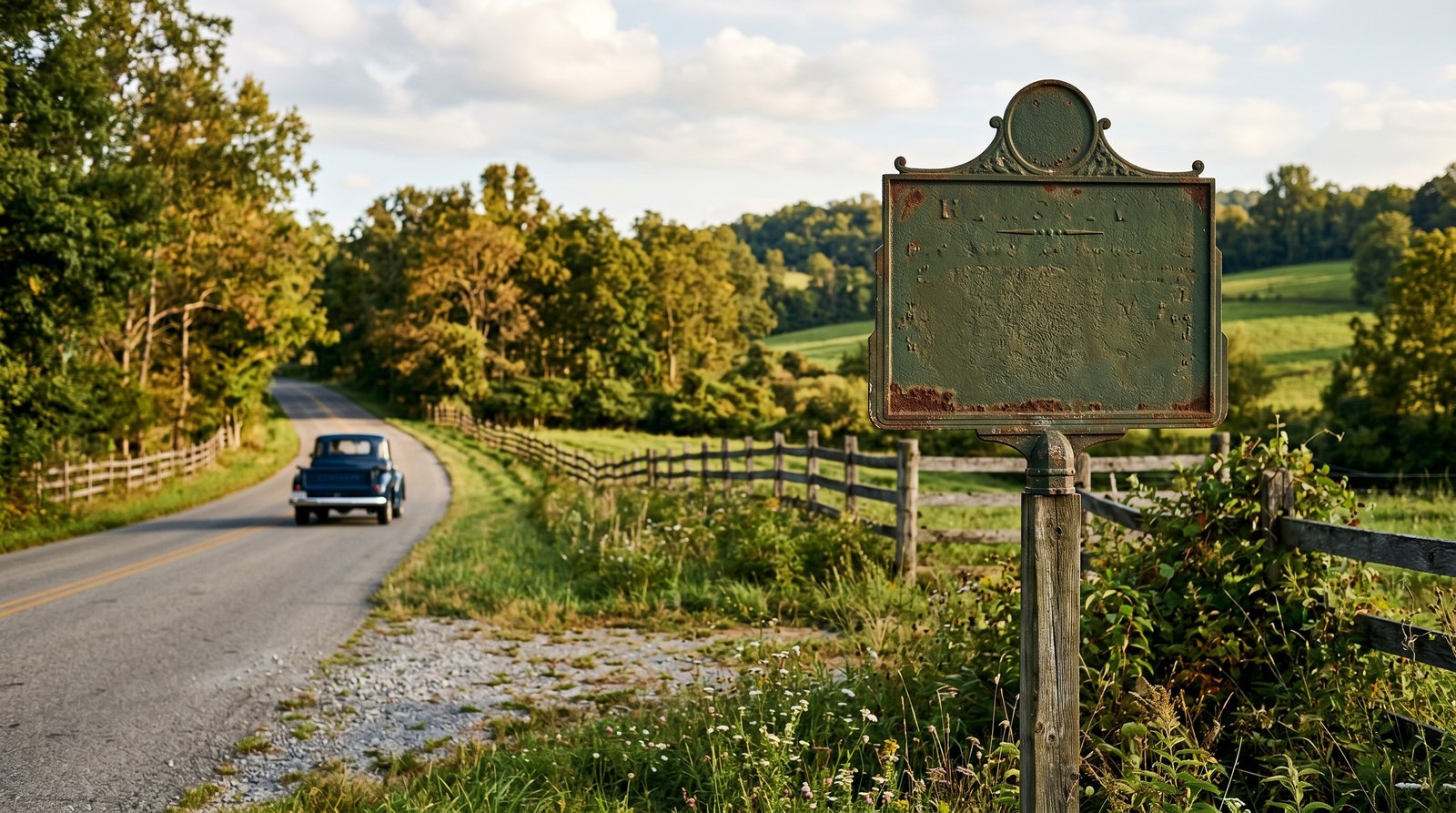
You have driven past a thousand of them. The cast-metal roadside signs that mark a battle, an old mill, a birthplace, a first something-or-other. Most people never stop. But if you slow down and actually chase them, those markers turn into a free, oddly addictive day on the backroads.
This is a trip where the whole point is going slow and the whole cost is gas.
Why it is basically free
The markers are free to read, free to find, and scattered everywhere, especially along the older two-lane roads that the interstate replaced. There is nothing to buy and nothing to pay. You are trading speed for curiosity, which is the cheapest trade there is.
It also gets you off the highway and onto the kind of roads this whole site is named after, the backroads where the real towns and the real countryside still are.
How to build the day
- Plan a loose route on the old roads. Pick a direction and favor the state and county highways over the interstate. The old roads have the markers and the scenery.
- Look up a few markers ahead of time. The Historical Marker Database is a free, searchable catalog of well over 200,000 markers you can browse by state and county, so you can string a handful into a rough loop before you leave.
- Let yourself detour. The best ones are usually the markers you did not plan for. If you see a sign, stop. That is the game.
- Pack the cooler. Backroads do not have a drive-thru on every corner, which is a feature. A packed lunch eaten at a marker pull-off or a small-town park is the cheap, good version of trip food.
- Bring a real camera or just your phone. Photographing the markers gives the day a little structure and a souvenir that costs nothing.
Why it sticks with you
A marker trip rewards attention instead of money. You learn small, strange, local things you would never have known, you see country you would have flown past at 70, and you spend almost nothing doing it. Kids who think history is boring tend to like the treasure-hunt version a lot more than the classroom one.
Fill up before you head out, keep the cooler stocked, and let the signs set the pace.
What is the most surprising historical marker you have ever stopped to read?
Build a marker loop that does not feel like homework
The mistake is trying to see too many. Pick three to five markers and make the space between them part of the day.
| Stop type | Why it belongs |
|---|---|
| One marker with a view | Gives the day a place to sit, not just read. |
| One old downtown | Adds restrooms, coffee, and a walk. |
| One cemetery, depot, bridge, or courthouse | Turns the marker into a real object. |
Use your state historical marker program as the source of truth, then confirm parking and access with the town or county page.
Useful source trail: the Historical Marker Database and your state’s own historical-marker program are the authorities for marker text and locations. Use USA.gov local governments to find the town or county page for parking, restrooms, and local access.
Keep going
If this cheap trip sounds like your kind of weekend, A Free Afternoon on a Small-Town Courthouse Square gives you another low-cost route to keep in mind.
For the money side of the drive, A Night Camping vs a Night in a Motel: The Real Trade puts the receipt math in plain view.
And if you would rather stay close to home, How Your Coffee Quietly Doubled is a free plan that still feels like a plan.
Sources for planning links: state historical marker programs, state historical societies, official tourism pages, and local government pages. Marker locations and parking access should be checked before leaving.
Keep reading
More from Budget Trips
 Budget Trips
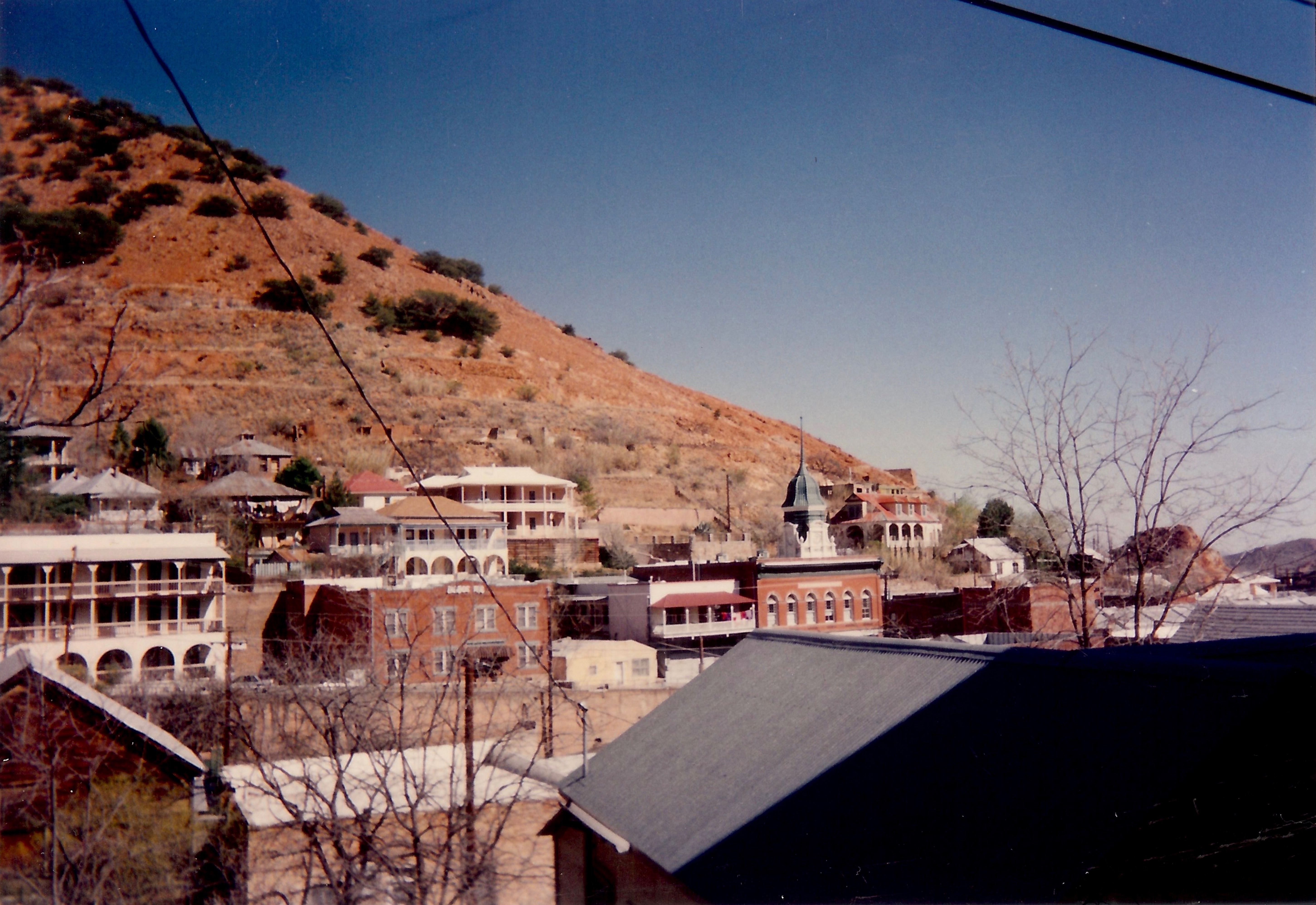
Bisbee, Arizona: An Old Copper Town Weekend Under $200
Bisbee is a copper boomtown turned cheap, artsy hill town a mile up in the corner of Arizona. Here is the honest receipt, what to do on foot for free, the one mine tour worth paying for, and the pages to check before you go.
 Budget Trips
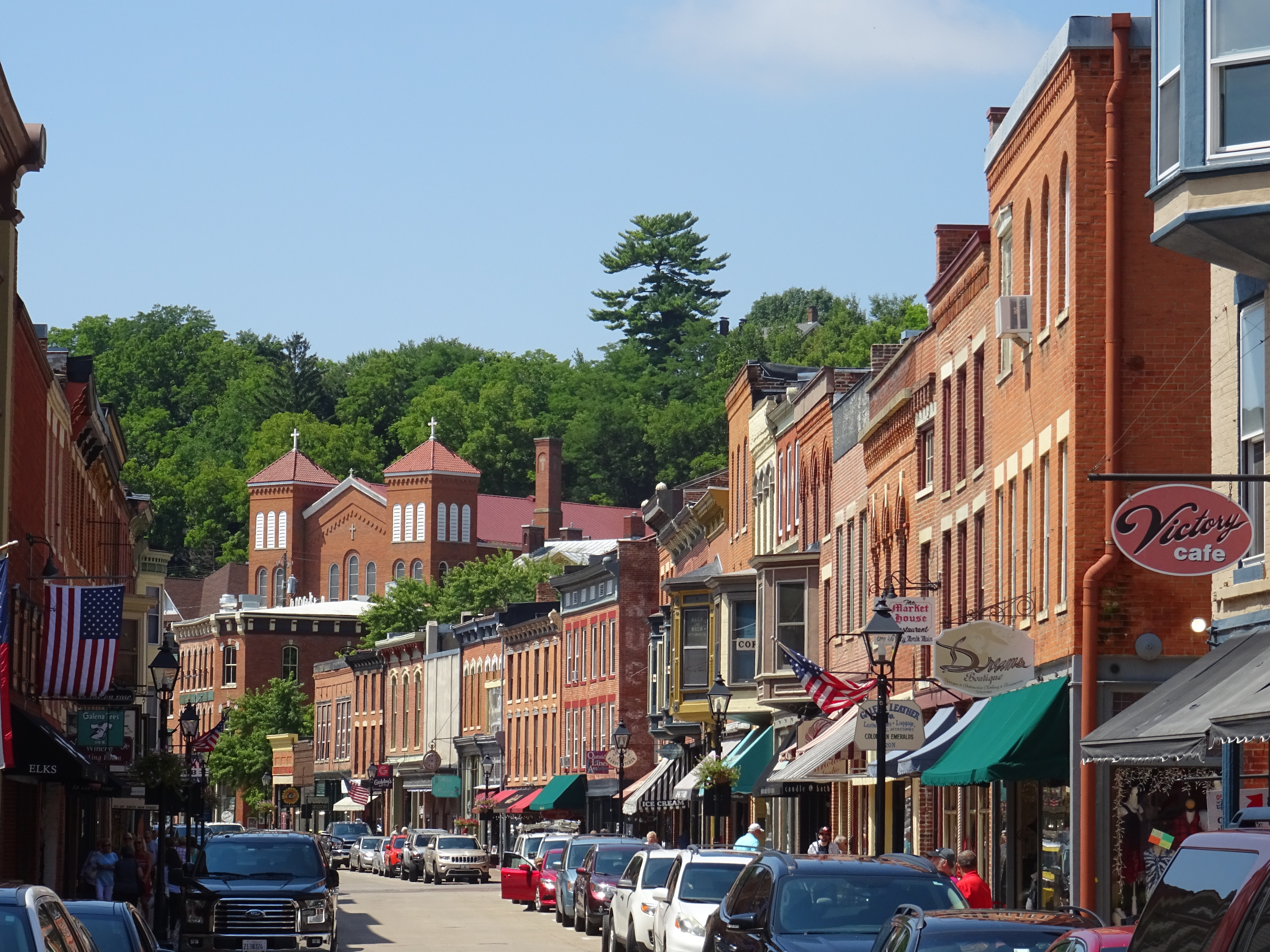
Galena, Illinois: A Weekend Where Main Street Is Free, Under $200
Galena kept almost all of its 1800s Main Street intact, and walking it is free. Here is the honest receipt, a self-guided walking plan, the Grant history, and the official pages to check before you go.
 Budget Trips
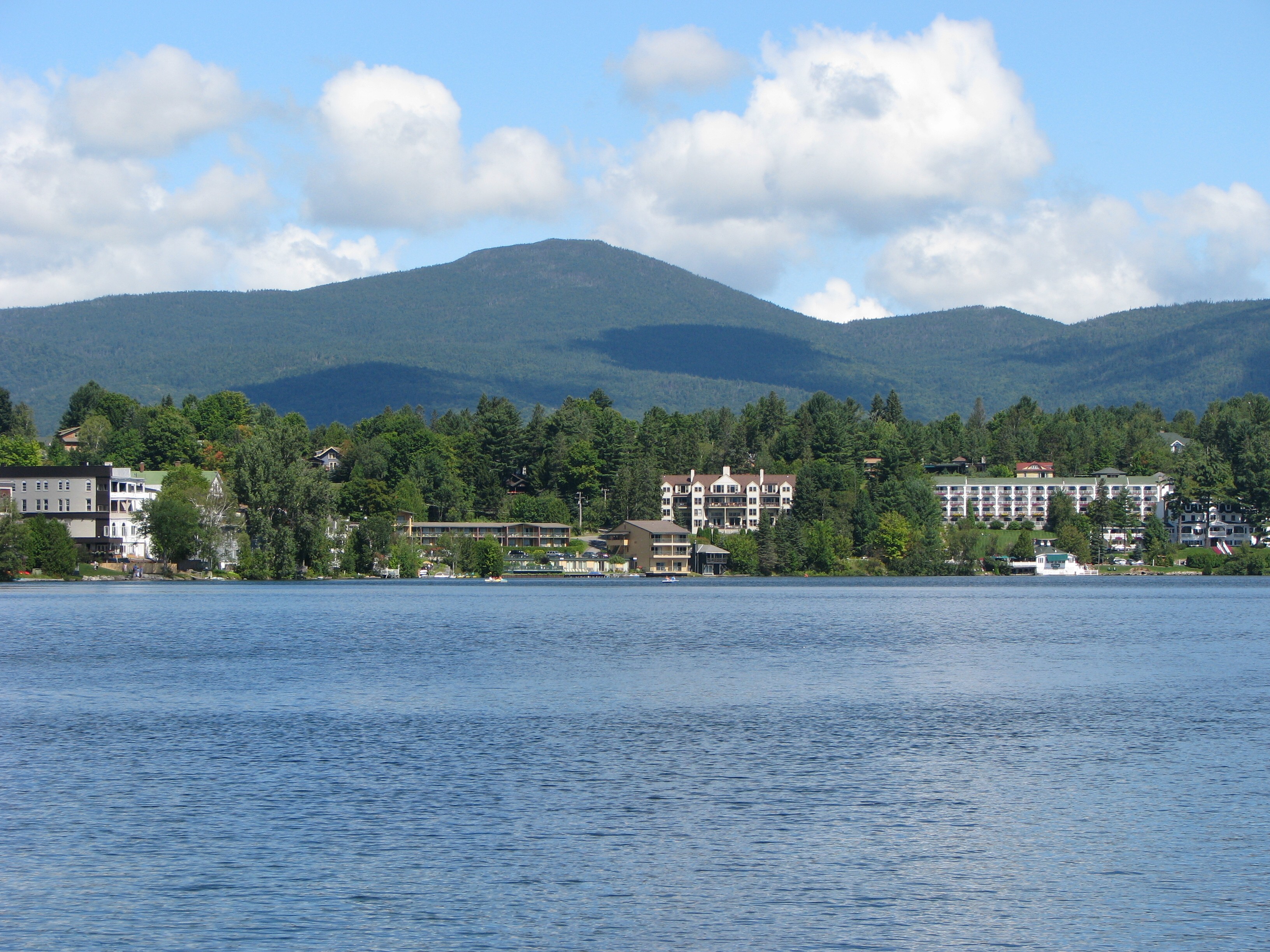
Lake Placid, New York: An Olympic-Town Weekend on a Budget
Lake Placid hosted two Winter Olympics, but the summer version is cheap: a free loop around Mirror Lake, free Olympic sights, and High Peaks views. Here is the honest receipt, the camping move that beats the Adirondack room rates, and the pages to check.